My social network definition
Table of Contents
#
what is a social network
#
common definition
Techtarget definition: A social network is a website or app that lets people connect with each other on a common platform. Users can share information, express opinions, explore mutual interests, search for jobs, promote their businesses, form relationships and otherwise interact with each other. Those who participate in a social network often share a wide range of information and content, including photos, videos, sound clips, documents, news, marketing materials or links to other resources.
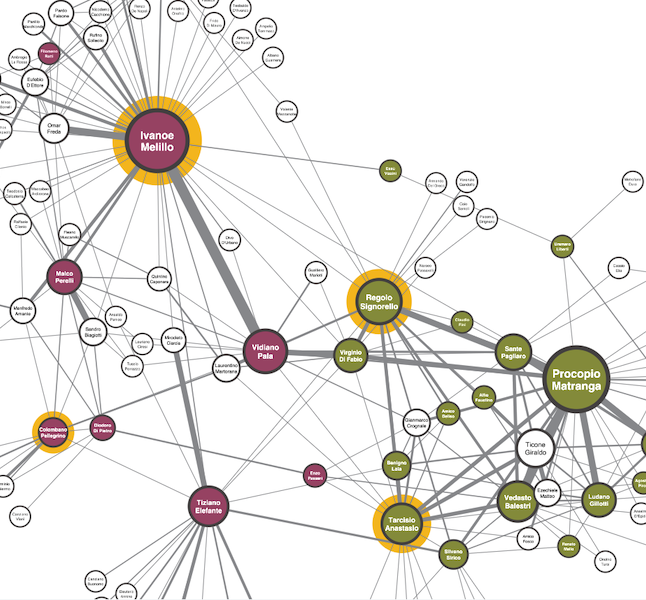
This seems a common correct definition. It describes the users interactions, sharing resources, identify categories. All the metadata permit to feed social graph, which can be ethically exploited for user benefit, or abused by third parties for profit.
Common case for all commercial online services, no bill for usage, but all data and metadata are exploited for third parties profit. Free service from a commercial company, then you are the product sold for a third party, that’s it.
#
biased popular Internet landscape
I have given several talks in schools about real Internet culture, how amazing what this resilient interoperability agreement between network operators. Distributed networks and protocols are incentives for democracy experimentations. These are living concrete lessons to rely on each user because each user is actor of the network. Democracy in its highest value added is the consciousness that all people are actors of their democracy.
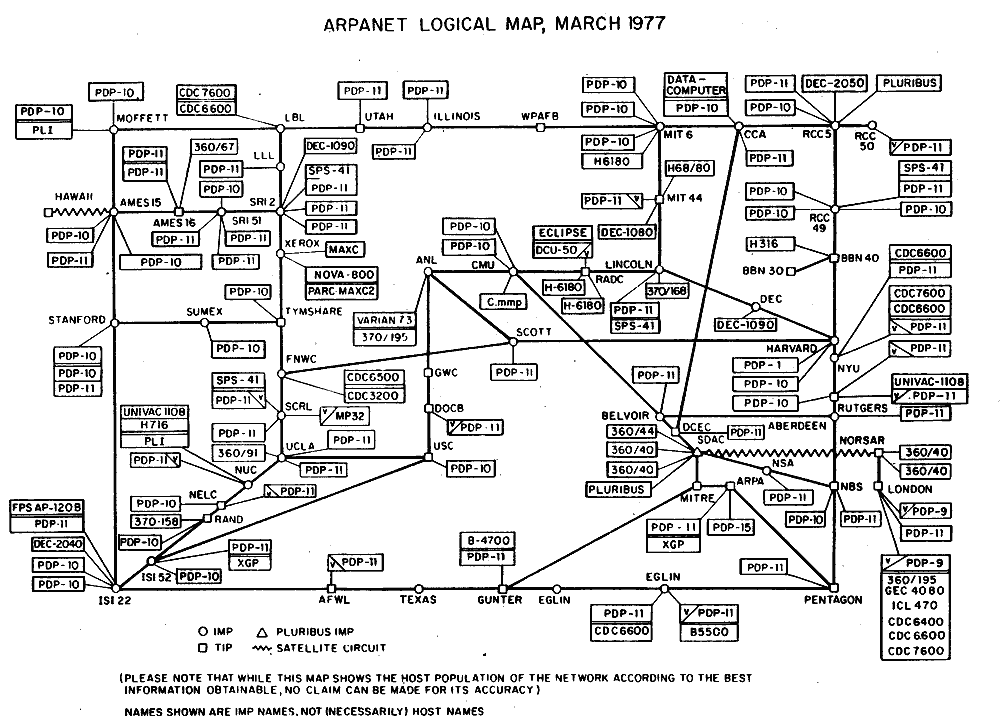
Usual client-server model tends to restrict the user as a dumb passive consumer. This is really awful habit, specially in epoch where democracy values are in danger.
The goal was to reveal the unique context where each host connected to the Internet could be a self-hosted lightweight server, a node of a distributed peer-to-peer protocol. This was also the opportunity to explain that Internet is about experimenting new ideas, new protocols, new designs for communications. There are so much to experiment than the usual commercial proprietary services.
In this perspective, Internet did not grow as super resilient by building heterogenous AS, many from small to mid-scale. Instead, it grew to a limited set of major bery big actors, motivated by unlimited profit and consumerism. I may exagerate somehow…but I am very close to real situation. In addition to that, actors were layered, network operators focused on network quality, datatencers or online services, focused on their specific roles. However, some big actors build the network, provide large datacenters and several famous online services. This is a kind of paradigm violation from isolated layers.

Isolated layers, such as core networking and online application services, permit to avoid interest conflicts. If actor to operate the network, also provides online services, it may be tempted to favour its online services. Sanity of Internet relies on network neutrality, otherwise it will break even more user landscape, and Internet will start to scatter into different groups of users, that would lead to the end of a global network.
See now, how to some users, if they cannot reach their messenger application, or picture gallery, they associate these issues as Internet does not work, while it’s only scoped to their few online commercial services.
I have started to work as ISP customer care. There was no single day without 3 calls claiming Internet was broken because their IE or Netscape (yes, long time ago ^^) could not start successfully with their modem PPP dialup connection.
#
me, myself, and my definition
I agree with general definition that describes a social network by using social graph theory, mapping interactions between users.
However I like to reappropriate the words: network and social. Both of these words are of high value in the meaning.
##
Network
The value added, network-wise, of Internet, is the distributed nature of the nodes. Internet original concept: each node connected to the Internet is as any node of the network. This is the nature of resilience of the network architecture.
Client-Server model fails as soon as few servers are unreachable.
Federated model such as email ecosystem is much more resilient than a direct client-server model.
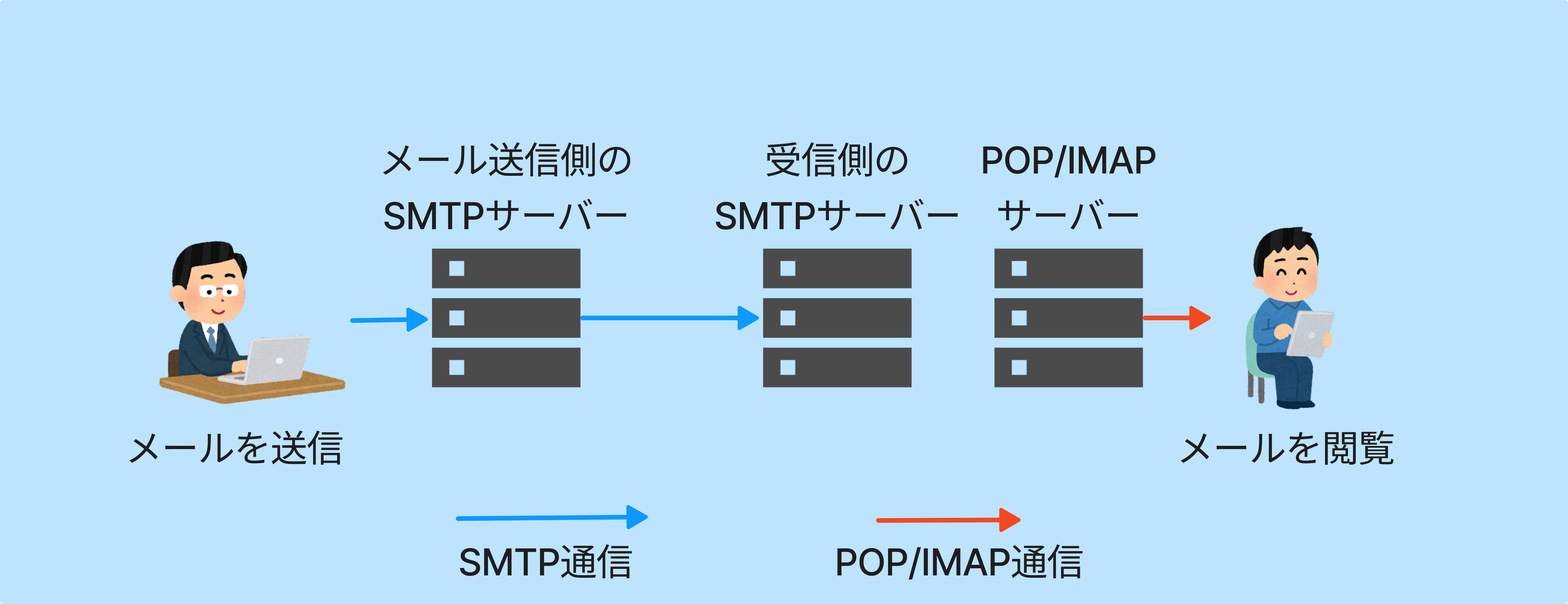
A mail domain area offline won’t involve failure of other email domains. Think of a failure with hotmail.com, all emails users @hotmail.com are unreachable. However, any other user using another provider, or self-hosting, is not involved at all. So think again if this is a real resilient advantage that most users usr Google Mail?
This was really the challenge of Internet architecture: be resilient even if some links are cut. See how there links cut, but this does not overall network to be working. Since start, Internet never failed globally, never, challenged handled!
So, it’s a pity that GAFAM actors destroy that resilient value into enslaving silos. It is even more sad, because people are free to chose FOSS alternatives.
Distributed, peer to peer, lives dynamically, as nodes comes into the network, and some go off. Data are split into redundant slices, hosted by all hosts participating in the network. All participant are actors of the network.
While there are security issues to handle, this is the best layout for resilience, autonomous network. It is also the best for democratic contribution, incentive for active contributions from everyone, forget about passive consumerism, become active power user.
##
Social
I reject closed-source, proprietary online services. They are driven by commercial companies that seek profit growth. It has been demonstrated many times that this model works very hard to never protect fully user’s privacy.
One aspect of these commercial social networks is the algorithmic selection of contents, the aim of maintaining the user connected and focused on his application as long as possible and as frequently as possible. This leads to violence and emotions amplification, rely on intense and fast emotional reactions rather than slow analytic thinking.
I often cite LibreOffice as a copy of microsoft office. The benefit is the availability of such office tools protected by FOSS license. However, all the design mistake present in microsoft office are almost also present in libreoffice. I would have preferred a new FOSS project with a paradigm change, like avoiding the mixing of text redacting and page layout editing. Scribus is a good example. But this is a FOSS project that plays in the garden of DTP, such as PageMaker. Somehow, Lyx, the GUI Latex editor, comes closer to the ideal project I wanted, instead of LibreOffice. But I agree, LibreOffice is a set of office applications, here, I mainly point the Writer application.
This example is meant to illustrate the opportunity for FOSS project, to take advantage of freedom, and bring new corrected semantics and design that were wrong in the proprietary world, and avoid to conitnue to support bad usage.
Based on this wish, as I was never interested to become a consumer of those commercial social networks, I was looking for a social network FOSS project that would rely more on the natural social dynamics of humans. This is where I found the great, but so unpopular project: Secure Scuttlebutt.
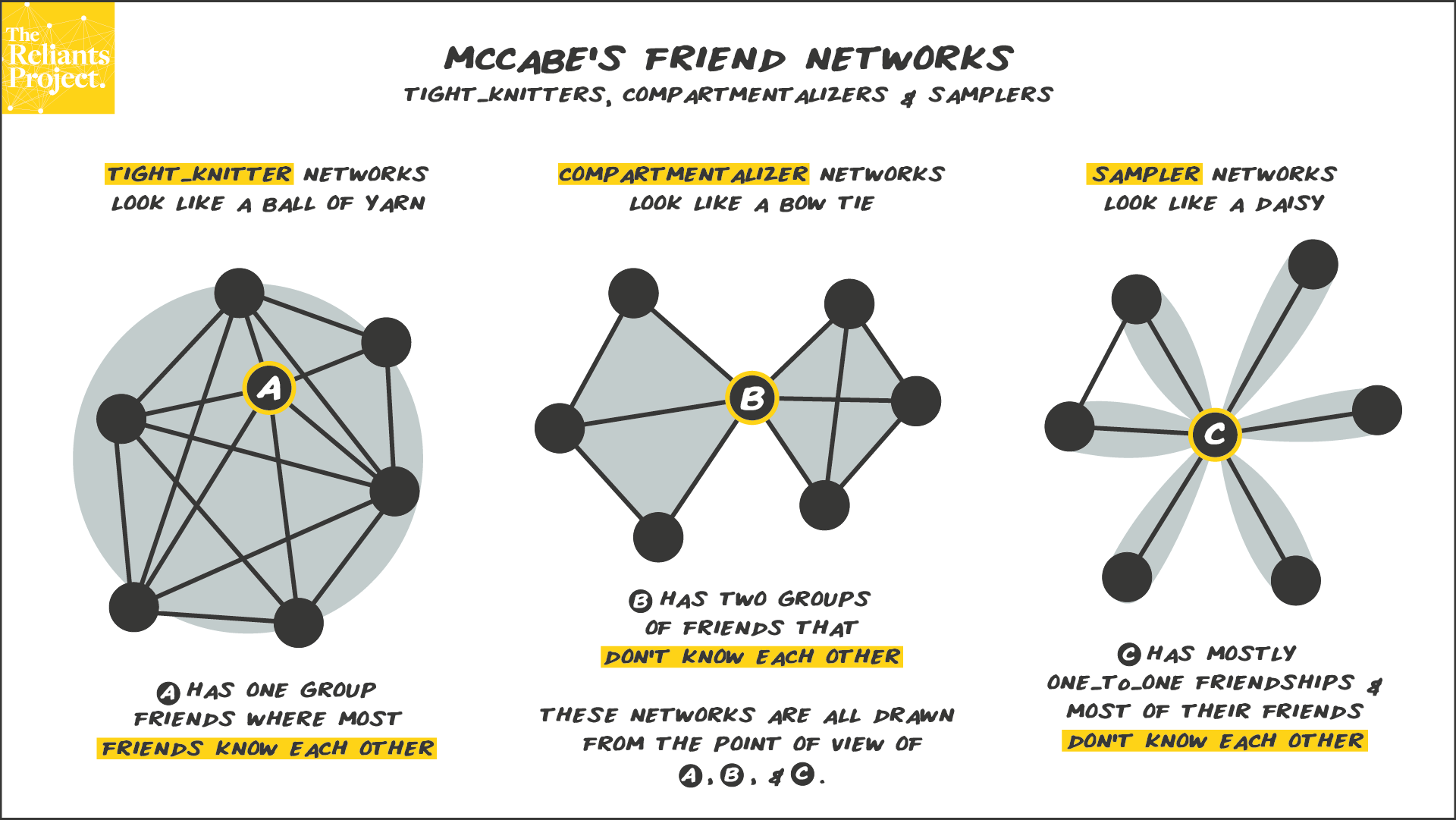
This project aims to build as a friend to friend network. It can be used offline, postpone articles for later delivery when connected to a supported network connection, but we don’t care when. You can even use local connection with a friend, or a friend of a friend, that will deliver the article at a later time. This really looks like a sort of copy of human interaction.
This is the first social network i discovered, can be used fully peer to peer, or connected to rooms, pubs, or direct friend to friend on same local network. Incentive was not to be connected at all time, it was not about being the most popular (it’s about being connected to friends and friends of friends, not more). This social network is also protected against censorship, it provides end-to-end encrypted private messages, multiple user profile and you can select what profile is exposed to what. Moderation is yours, limited to your context, and you can share with friends your moderation actions.
Too bad the project is kind of almost dead…if not dead… This project is exactly one that should get much more support and attention, because this relies and human social factor, not forcing humans to become addicted to proprietary social aggressive network services.
But here comes nostr to step up as a lightweight uncensorable alternative. No central governance, can self-host relay servers, miminal prootocol stack with extensions. Can be self-hosted on a raspberrypi. Uses ECC PKI for user account keys, but no central authority. Public domain license. It uses client with multiple servers n:m model. Communications occur with tls encrypted websockets over 443 tcp ports, so can be seen as another tls web site. Each Relay server provides store and serve notes published from users. Each user decides which and how many relay servers to use make posts redundant, each for inbox, outbox, private messages, searches, media. Each relay server operator can ban a user (its public key).

Let’s say that user Eve sends inappropriate contents to a bunch of users (having collected somehow their public keys). Each user can block locall the sender, or can report to the relay server. Socially, most relay operators will ban Eve. She won’t be censored, but she will reach less and less users, which will prevent her from shouting to many people. Assuming the set of targeted users mostly blocked and reported, this will become harmless to the users, without requiring global vertical censorship.
So there are very interesting things happening, far away from those consumerists commercial centralized online services. nostr is an example of what freedom of Internet permits.

So consider nostr as a public social network, relay operators know clients ip addresses. It was not designed for confiential interactions, sensitive communications, highly private exchanges…no.. But as a public place to interact, without proprietary algorithms, without censorship, without vertical governance. As open protocol, there are native extensions with bitcoins, so people can send/receive zap, cryptocurrency in an embedded fast and easy way. I won’t develop on that part, I’m not interested in the cryptocurrency noise. Re-creating consumerism is not in my todo-list and bitcoin proof-of-work is bad paradigm that wastes energy on computers and benefits to the one who can buy more and more expensive.
You can setup nostr with Tor. There are nostr relays as onions. You can also create few self-hosted relays with their Tor circuits and add some more onions, public or private. In that case, assuming you don’t reveal anything in your profile name, picture, bio, you can participate as a quite confidential user.
There is an activitypub bridge that permits to intercnnect between nostr and fediverse. Ongoing progress to let mastodon client interact with nostr. These are good signs of flexibility for integrations and interoperability of what all Internet services should adopt.
Anyway, as an open protocol, anyone is welcome to contribute and provide extensions to offer new games, new kind of applications using the nostr non vertical semantics.
##
social networking for users benefit
Some libre projects really deserve valuable label social network, some others, commercial, popular, only exist to collect even more data, to be sold to 3rd parties, and machine learning dataset brokers.
As Internet pionneer, in the tracks of Aaron Schwartz, I am still amazed by all the experiments and creative projects we can still build and explore. However, I feel that joyful active lands invisible in the shadow of most popular commercial proprietary online services.
Most users only perceive Internet as a way to access commercial services: netflix, banking, aliexpress, food delivery, uber, tripadvisor, etc… This is really what makes me sad.
We really need to spread hacker internet counter-culture, specially to new generation that don’t understand unix hacking.
Here is my bible XD